Skip to content

Pico Laser Rating from Providers: 4.5 out of 5
Pico Laser Rating from Patients: 3.6 out of 5
Want to see how MBC reviews calculated? Click here.
Review Summary
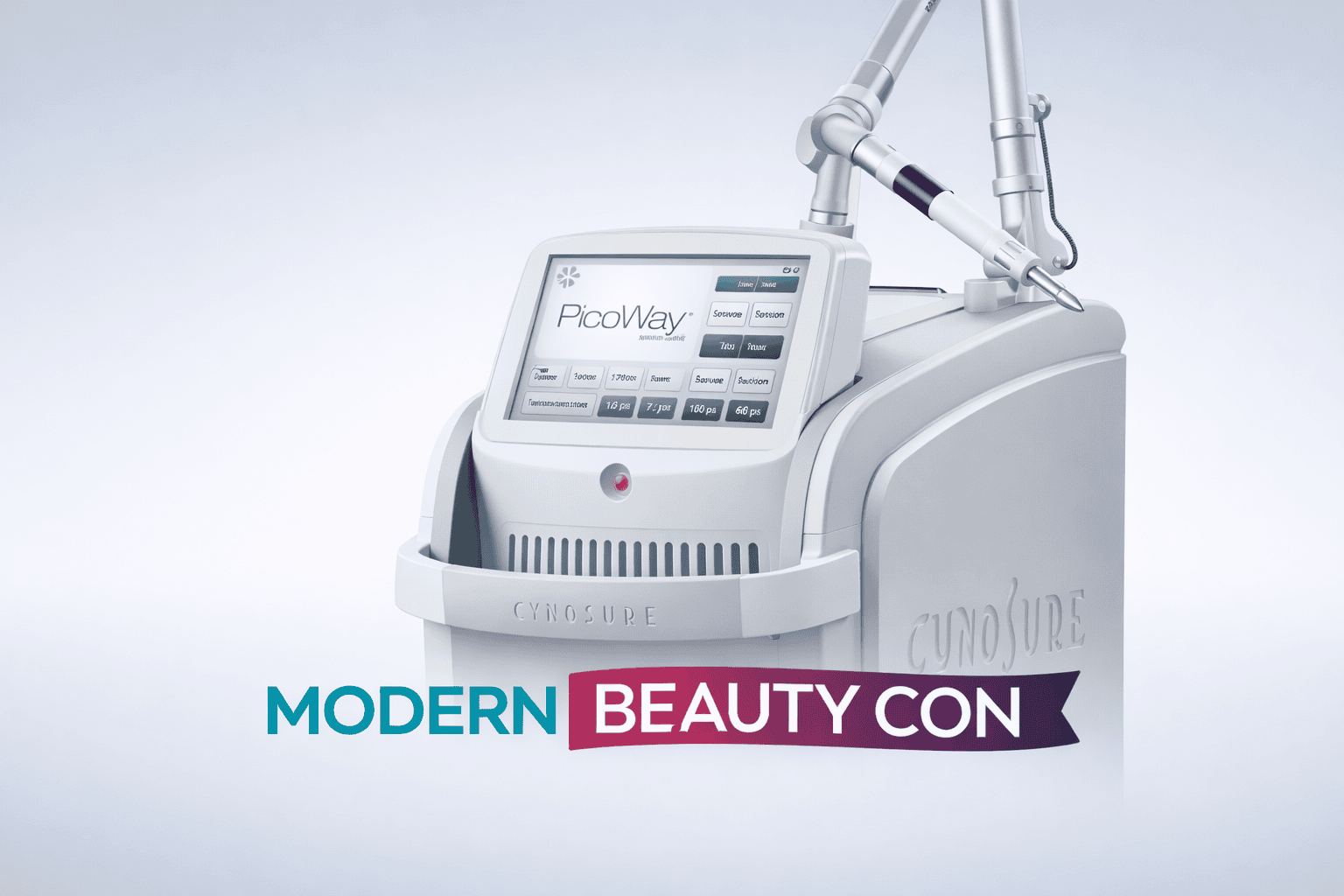
Pico laser devices are designed to deliver high-energy, ultra-short pulse treatments for pigment correction, tattoo removal, and skin rejuvenation. In the dataset, both providers and patients frequently describe the technology as safe and effective for pigment-related concerns.
But here’s the key insight:
Pico lasers generate strong provider confidence, but patient satisfaction depends heavily on expectations around results and treatment timelines.
Providers in the dataset consistently highlight treatment precision, safety, and versatility across pigmentation and tattoo removal indications. Patient feedback is also generally positive, although some reviews describe slower-than-expected improvement or the need for multiple sessions.
For practices evaluating a capital purchase, the dataset suggests pico lasers perform best in clinics treating pigment concerns or tattoo removal regularly rather than as a single-purpose device.
For manufacturer information about picosecond laser technology, see the Candela PicoWay page:
https://candelamedical.com/products/picoway/
Provider Praise
(Industry sentiment from Social Media, Google & Reddit)
From a provider standpoint, the most consistent strength in the dataset is treatment effectiveness for pigment and tattoo removal.
Providers repeatedly note that pico laser technology can break down pigment more efficiently than older nanosecond laser systems. Several provider reviews describe strong clinical results when treating pigmentation disorders, sun spots, and tattoo ink.
Another recurring advantage mentioned by providers is safety. Multiple comments describe the device as reliable and well tolerated by patients when appropriate protocols are followed. Providers emphasize the ability to treat various pigment conditions with relatively low complication risk.
Operational flexibility also appears in several reviews. Providers mention that pico lasers can be used across multiple treatment categories, including pigmentation correction, tattoo removal, and some skin rejuvenation applications. In the dataset, this versatility contributes to the device being viewed as a valuable multi-indication platform.
Based on the scoring model, this corresponds to a 4–5 star provider rating.
Provider Complaints
(Industry sentiment from Social Media, Google & Reddit)
Negative provider feedback is relatively limited in the dataset but highlights several practical considerations.
The most common concern relates to treatment expectations and patient communication. Some providers note that patients may expect rapid or dramatic results, particularly with pigmentation treatments or tattoo removal. When results require multiple sessions, dissatisfaction can occur.
A smaller number of provider comments also reference variability in outcomes depending on skin type, pigment depth, and treatment indication. In these cases, providers emphasize the importance of careful patient selection and appropriate treatment planning.
Overall, negative feedback tends to focus on expectation management rather than device safety or reliability.
Patient Review — 3.6 out of 5
Patient reviews were collected from first-person experiences shared across forums, review sites, and public discussions where individuals described undergoing pico laser treatments.
These reviews were evaluated using the same sentiment-based scoring method applied to provider feedback.
Based on the scoring model, this corresponds to a 3–4 star patient rating.
What Patients Are Saying
Positive patient feedback often highlights visible improvements in pigmentation issues such as sun spots, brown spots, and uneven skin tone. Several patients describe the treatments as safe and effective when performed over multiple sessions.
Patients also report that the treatment process feels manageable and generally safe when performed by experienced providers.
However, negative feedback appears primarily when results take longer than expected. Some patients report minimal improvement after early sessions, while others mention needing more treatments than anticipated before seeing noticeable results.
Mixed reviews frequently mention gradual improvement but uncertainty about whether the results justified the time or cost involved.
Overall, patient dissatisfaction in the dataset is largely tied to expectations around speed of results rather than treatment safety.
Cost Breakdown
Based on provider commentary in the dataset and typical market positioning:
-
Purchase price: Commonly cited in the ~$180,000–$250,000 range depending on configuration and model
-
Consumables: Minimal to none
-
Ongoing costs: Service contracts, training, and maintenance
Providers frequently referenced the high upfront investment and emphasized the importance of consistent patient volume and treatment package completion to achieve acceptable ROI.
Final Verdict
From a provider perspective, pico laser platforms are clinically reliable, low-downtime devices best suited for progressive skin rejuvenation and pigment correction rather than dramatic single-session resurfacing outcomes.
Best suited for:
-
Practices focused on skin quality, pigment correction, and maintenance programs
-
Clinics prioritizing safety and minimal downtime
-
Providers with strong consultation workflows and treatment series compliance
Not ideal for:
-
Practices seeking dramatic single-treatment transformations
-
Buyers expecting rapid ROI without sustained treatment volume
-
Clinics without structured patient education systems
Pico lasers perform best as steady, consistency-driven platforms — delivering reliable outcomes when positioned correctly and used across multi-session treatment plans.