Skip to content

- Reviews
Healite II (Review)
Healite II Rating from Providers: 4.5 out of 5
Healite II Rating from Patients: 4.0 out of 5
Want to see how MBC reviews are calculated? Click here.
Review Summary
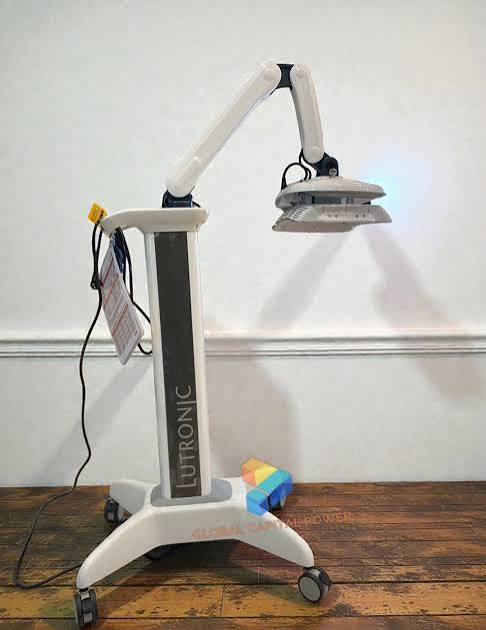
Healite II is an LED phototherapy system used for skin rejuvenation and as a supportive treatment around other aesthetic procedures. In the submitted reviews, providers most often discussed it for calming redness, supporting skin recovery, improving overall skin quality, and complementing other in-office treatments.
Here’s the key insight:
Healite II seems strongest as a supporting treatment—not necessarily the treatment patients come in for.
Provider sentiment is overwhelmingly positive. They repeatedly describe the treatment as gentle, comfortable, and easy to incorporate into protocols where the goal is to support recovery without adding additional thermal or mechanical trauma.
Patient feedback is also favorable, particularly around comfort and improvements in acne, scarring, and skin quality. But the patient data introduces an important question: how much improvement is enough to justify repeated sessions?
One patient explicitly questioned whether continuing treatment was worth it, while another noted that treating multiple body areas becomes expensive.
The result is a device with strong provider enthusiasm and relatively few complaints, but whose value to patients may depend heavily on why it is being used and what else is happening in their treatment plan.
Provider Praise
(Industry sentiment from Social Media, Facebook, Instagram, Reddit & Forums)
Provider sentiment toward Healite II was consistently positive.
Providers repeatedly highlighted its use for:
- supporting post-treatment recovery
- calming redness and inflammation
- improving overall skin texture
- supporting collagen production and skin rejuvenation
- addressing blemishes and acne-related concerns
- supporting skin healing without additional thermal or mechanical injury
- complementing other in-office aesthetic treatments
One of the strongest themes is gentleness.
Providers described Healite II as a treatment that can support the skin when it needs recovery rather than another aggressive intervention. Several comments specifically highlighted its use alongside other in-office procedures.
Providers also emphasized the absence of significant heat or mechanical trauma during treatment, making the experience distinctly different from energy-based procedures designed to deliberately create more substantial tissue injury.
For practices, that may be where Healite II fits best: not necessarily replacing a primary treatment, but making an existing treatment plan more complete.
Provider Complaints
(Industry sentiment from Social Media, Facebook, Instagram, Reddit & Forums)
There were almost no explicitly negative provider comments in the submitted dataset.
The primary limitation mentioned was the potential need for a series of treatments, depending on the patient’s concerns and desired outcome.
That matters because a gentle treatment may also require patience.
The larger limitation of the provider dataset is that much of the commentary comes from practices actively offering or promoting Healite II. Claims around collagen production, healing, inflammation, circulation, pain, acne, sun damage, and other applications vary considerably in scope.
Those comments demonstrate strong provider enthusiasm, but they should not automatically be interpreted as evidence that every claimed benefit will occur for every patient.
Patient Reviews
(Industry sentiment from Reddit, Facebook, Instagram & Forums)
Patient reviews were scored separately from provider sentiment.
Patient Reviews: 4.0 out of 5 stars
What Patients Are Saying
The strongest patient feedback centered on comfort, skin recovery, and gradual improvements in skin quality.
Patients reported:
- a relaxing and soothing treatment experience
- painless sessions
- improvement in acne scarring
- fewer new breakouts
- improvement in skin-related concerns with repeated treatments
- plumper-looking skin immediately following treatment
- satisfaction using Healite II between other aesthetic treatments
One patient using Healite II between monthly facials reported a visible reduction in acne scarring and fewer new pimples.
Another patient undergoing 830nm treatments reported that the sessions had been helpful for their skin concern.
And from a pure experience standpoint, Healite II performs particularly well: one patient described the treatment as so relaxing that they usually fall asleep during it.
That is a meaningful distinction from many aesthetic treatments where discomfort is part of the tradeoff for results.
But the patient feedback isn’t universally enthusiastic.
One patient who had already completed several sessions questioned whether continuing was actually worthwhile. Another noted that costs can accumulate quickly when multiple areas need to be treated.
Temporary redness, warmth, flushing, and sensitivity were also mentioned, although the submitted comments generally described these effects as mild and short-lived.
The pattern is therefore less about dissatisfaction with the treatment itself and more about whether subtle, cumulative improvement justifies the time and cost of repeated sessions.
Cost Breakdown
The submitted dataset does not contain verified manufacturer pricing for Healite II equipment acquisition.
It also does not provide enough consistent information to establish a reliable average patient treatment price.
The clearest cost-related concern came from a patient who reported that treatment became expensive because multiple body areas required sessions. Another patient questioned whether continuing after several treatments was worthwhile.
The dataset also indicates that multiple treatments may be necessary, depending on the concern being addressed and the desired outcome.
Without verified acquisition pricing, treatment pricing, consumable costs, maintenance expenses, or treatment-level margins, the available information is not sufficient to calculate a reliable return on investment.
For practices evaluating Healite II, the business case may depend less on a single high-ticket procedure and more on how effectively LED therapy can be incorporated into existing treatment plans, recovery protocols, packages, or repeat visits.
Final Verdict
Healite II earns strong sentiment because it occupies a useful position in aesthetics:
It doesn’t always need to be the main event.
Providers repeatedly describe using it to support skin recovery, calm redness, and complement other procedures without adding another aggressive treatment to already-stressed skin.
Patients generally like the experience, too. The treatment is frequently described as comfortable or relaxing, and some patients report meaningful improvements in acne, scarring, skin quality, and recovery.
The tradeoff is subtlety.
Patients expecting a dramatic standalone transformation may question the value after several sessions—particularly as treatment costs accumulate. Patients who understand Healite II as part of a longer-term skin or recovery strategy may view it very differently.
Best suited for:
- practices incorporating LED into post-procedure recovery protocols
- patients seeking a gentle, comfortable treatment experience
- patients interested in gradual improvement in overall skin quality
- practices looking for a complementary treatment rather than another aggressive procedure
- patients comfortable completing a series when appropriate
Not ideal for:
- patients expecting dramatic results after one session
- patients looking for an aggressive corrective treatment
- patients treating multiple areas who are highly cost-sensitive
- patients unwilling to complete repeated sessions
- practices that position LED therapy as capable of replacing more intensive treatments
Overall assessment: Healite II appears to be a well-liked supportive technology with particularly strong provider enthusiasm and an unusually comfortable patient experience. Its biggest question isn’t whether patients tolerate it—they generally seem to. It’s whether the gradual improvement is meaningful enough to justify the number and cost of treatments for that particular patient. That’s a conversation worth having before the first session, not after the fifth.
Leave Your Review
Latest Reviews
There are no reviews yet. Be the first one to write one.