Skip to content
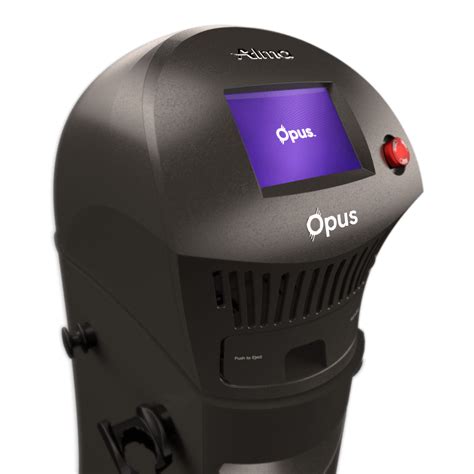
Opus Rating from Providers: 3.7 out of 5
Opus Rating from Patients: 3.2 out of 5
Want to see how MBC reviews calculated? Click here.
Review Summary
Opus does exactly what most providers position it to do: moderate resurfacing and tightening without committing patients to fully ablative downtime.
But here’s the key insight:
Opus performs best when sold as a series-based, expectation-managed treatment.
Practices that position it as a bridge between microneedling and aggressive resurfacing report the strongest satisfaction.
Practices that present it as a dramatic one-session transformation see more mixed patient feedback.
Provider sentiment trends positive overall, particularly around texture improvement and clinical versatility. Patient sentiment is more divided, with satisfaction tied to treatment area selection and expectation setting.
For manufacturer specs and positioning, see Alma’s official Opus product page:
https://almalasers.com/product/opus/
Provider Praise for Opus
(Industry sentiment from Social Media, Google & Reddit)
From a provider standpoint, Opus is most frequently praised for its ability to deliver visible texture improvement without the full recovery profile of more aggressive ablative lasers.
Providers repeatedly noted that:
-
Skin texture and acne scarring improve over a treatment series
-
The device fills a treatment gap between lighter modalities and full resurfacing
-
Customizable intensity allows tailored protocols
-
It integrates logically into existing resurfacing offerings
Clinically, providers describe Opus as a strong mid-intensity option — not a replacement for CO2 but more impactful than standard microneedling. Several comments emphasize that success depends heavily on patient selection and clear communication about realistic outcomes.
When positioned appropriately, providers describe it as a dependable addition to a comprehensive energy-based treatment portfolio.
Provider Complaints About Opus
(Industry sentiment from Social Media, Google & Reddit)
Negative and mixed feedback was largely tied to operational realities and expectation management.
The most common complaints included:
-
Patients expecting dramatic one-session results
-
Strong odor during treatment
-
Consumable tip replacement frequency
-
Handpiece sensitivity requiring careful handling
Some providers noted that if Opus is oversold as a high-impact resurfacing device, dissatisfaction increases. Others referenced the importance of meticulous cleaning protocols to avoid premature consumable wear.
Importantly, provider dissatisfaction centered on positioning, cost of consumables, and expectation alignment — not widespread reports of device instability.
Patient Reviews About Opus
(Industry sentiment from Social Media, Google & Reddit)
Patient reviews were collected from first-person commentary across social media platforms and public discussion forums where individuals shared their experiences receiving Opus Plasma treatments.
These reviews were scored using the same sentiment-based methodology applied to provider reviews.
Patient Sentiment Breakdown
Positive mentions: Visible tightening, smoother texture after a series
Mixed mentions: Gradual improvement, results requiring multiple sessions
Negative mentions: Minimal visible change, dissatisfaction with certain treatment areas, isolated reports of adverse outcomes
Patient Reviews: 3.2 out of 5 stars
What Patients Are Saying
Patients who report positive experiences frequently highlight:
-
Noticeable skin smoothing after multiple treatments
-
Improvement in acne scarring and fine lines
-
Manageable downtime when properly prepped
Negative sentiment most often reflects:
-
Expectations of dramatic change after one session
-
Perceived lack of improvement in under-eye or delicate areas
-
Frustration when cost did not align with perceived results
A small number of patients described severe or long-term negative outcomes. These accounts are self-reported within the dataset and materially influence overall patient sentiment, underscoring the importance of careful patient selection and conservative treatment planning in high-risk zones.
Opus Cost
Device acquisition cost: According to industry pricing data and equipment marketplaces, new Opus systems for aesthetics practices typically range from approximately $70,000 to $180,000+, with many clinics budgeting around $120,000 for a complete setup.
Secondary market and used units can show broad variability, often priced lower depending on age and condition — with listings observed from approximately $30,000 to $65,000+ for open-box or pre-owned units.
Consumables and operating costs:
-
Consumable tips: industry estimates $15–$60 per treatment
-
Annual service/maintenance: often $2,000–$7,000+
Patient-reported spend: Within the dataset, a treatment cost of around $1,000 per session was reported historically — consistent with a series-dependent pricing model. (Dataset)
Because outcomes are frequently described as series-dependent, total patient investment may be significantly higher, depending on protocol — but exact package pricing data is not present in the dataset and should not be assumed here.
Final Verdict
From a provider perspective, Opus is a mid-intensity resurfacing platform that performs well when positioned correctly and sold as a series.
Best suited for:
-
Practices needing a bridge between microneedling and fully ablative resurfacing
-
Providers comfortable with detailed expectation setting
-
Clinics building structured treatment packages
Not ideal for:
-
Buyers expecting dramatic one-session transformations
-
Practices that oversell outcomes
-
Providers unwilling to manage nuanced patient education
Opus is not a miracle device. It is a positioning-sensitive tool that rewards practices that understand where it fits — and where it does not.