Skip to content

- Reviews
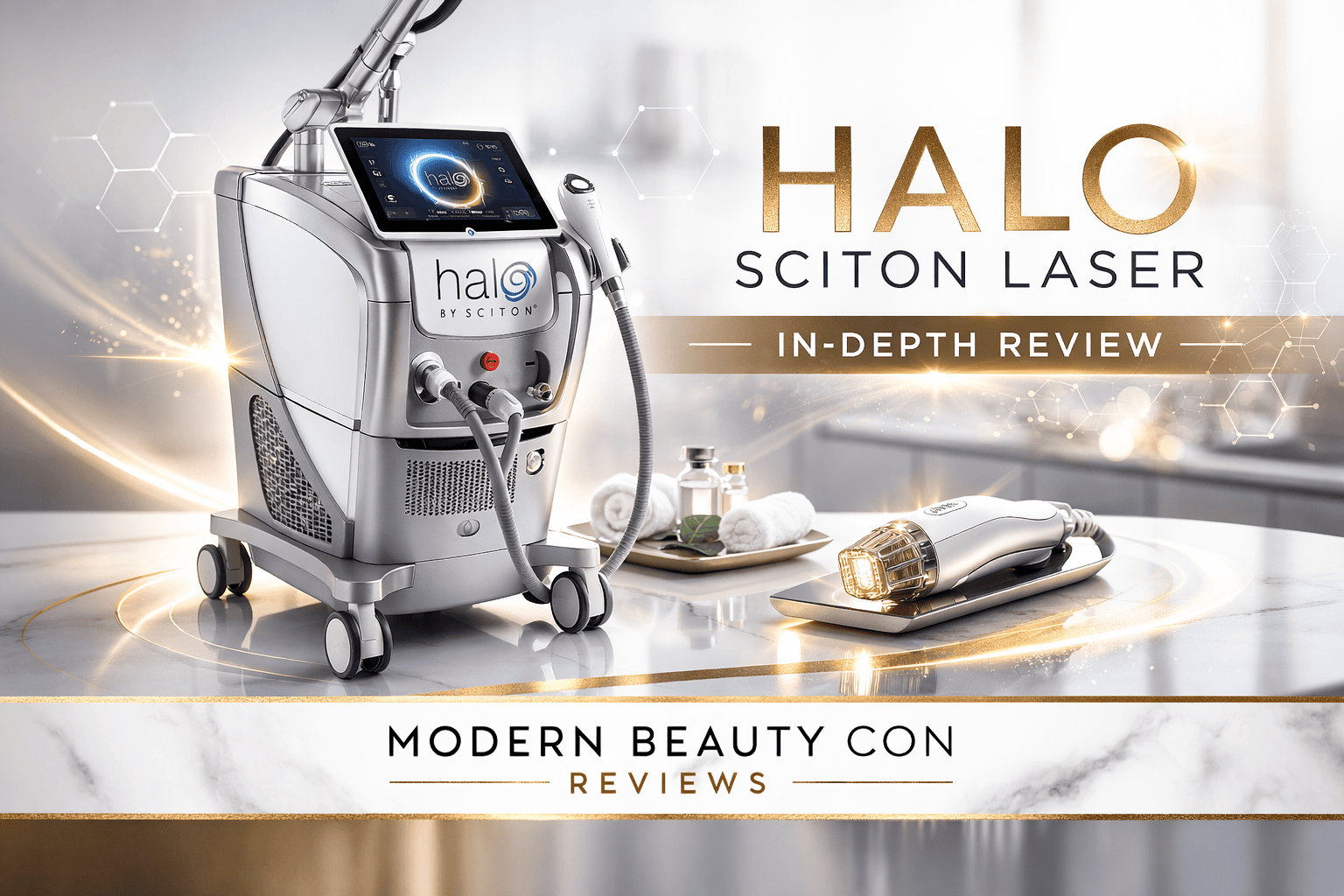
Sciton Halo (Review)
Sciton Halo Rating from Providers: 4.4 out of 5
Sciton Halo Rating from Patients: 4 out of 5
Want to see how MBC reviews calculated? Click here.
Review Summary
HALO does what it’s become known for: significant skin resurfacing with visible pigment correction, texture refinement, and long-term collagen improvement.
But here’s the key insight:
HALO is a high-reward resurfacing treatment that requires honest downtime management.
In the dataset, both providers and patients consistently describe strong visible improvement — particularly for hyperpigmentation, sun damage, texture, and fine lines — but satisfaction drops quickly when recovery expectations are minimized.
Patients who understood they were signing up for a true resurfacing procedure generally reported high satisfaction.
Patients expecting a light “lunchtime laser” experience often described the recovery as more intense than anticipated.
Sentiment snapshot (from the uploaded dataset):
Providers: Strongly Positive
Patients: Mostly Positive with recurring downtime concerns
For the manufacturer’s overview of the technology, see Sciton’s HALO page:
Provider Praise
(Industry sentiment from Social Media, Google & Reddit)
From a provider perspective in this dataset, HALO is praised most for delivering visible resurfacing results while avoiding the prolonged downtime associated with traditional fully ablative lasers.
Providers most frequently noted:
• Significant hyperpigmentation improvement
• Strong skin brightening and “glow” outcomes
• Fine line softening over time
• Improvement in texture and acne scars
• Gradual collagen remodeling that continues for months
• High patient satisfaction after healing completes
Clinically, providers appreciate HALO’s hybrid fractional technology, which combines ablative and non-ablative wavelengths in a single treatment.
Several providers described HALO as one of the strongest “transformational but still manageable” resurfacing options currently available.
Providers also repeatedly referenced:
• Strong before-and-after photography potential
• High patient demand and recognition
• Pairing well with BBL HERO and medical skincare
• Premium pricing opportunities
• Strong repeat treatment retention once patients experience results
Many providers emphasized that HALO performs best when positioned as a true resurfacing treatment rather than a casual glow procedure.
That distinction appeared repeatedly throughout the dataset.
Provider Complaints
Provider concerns centered primarily around recovery management, consumable costs, and patient expectation setting.
Providers most frequently noted:
• Swelling and redness can last longer than patients expect
• Patients often underestimate downtime
• Significant heat immediately after treatment
• High consumable and treatment key costs
• More extensive consultation requirements compared to lighter lasers
Several providers specifically mentioned frustration with marketing trends that frame HALO as a “minimal downtime” treatment.
Some providers also noted:
• Risk of post-inflammatory pigmentation in poorly selected patients
• Need for careful melasma management
• Downtime variability between patients
• Strong dependence on provider technique and settings
Importantly, even negative provider commentary rarely questioned HALO’s effectiveness.
The criticism was overwhelmingly tied to recovery intensity and expectation management — not lack of results.
Patient Review (Rating: 4 out of 5)
Patient experiences in the dataset were largely positive, especially among patients who expected a real resurfacing procedure and accepted the healing process.
What patients like:
• Dramatic “HALO glow” after peeling finishes
• Significant reduction in hyperpigmentation
• Softer fine lines after several months
• Smoother makeup application
• Brighter, more airbrushed-looking skin
• Long-term collagen improvement
One recurring patient theme was delayed gratification.
Several patients described seeing:
• Early glow and pigment correction within the first 1–2 weeks
• Additional collagen remodeling 2–3 months later
• Fine lines gradually softening over time
A repeated patient sentiment was:
“The recovery was worth it for the final result.”
What patients dislike:
• Intense heat immediately after treatment
• Swelling and redness lasting multiple days
• Sandpaper-like texture during healing
• Peeling and itching
• Social downtime longer than expected
• Anxiety during the recovery phase
Some patients specifically mentioned wishing they had been more thoroughly prepared for the intensity of recovery beforehand.
However, even many mixed reviews still acknowledged visible improvement once healing completed.
That nuance showed up consistently throughout the dataset.
Cost Breakdown
Purchase Price:
~$180,000–$250,000 depending on configuration and whether bundled with additional Sciton platforms.
Consumable Costs:
High ongoing treatment key and consumable costs.
Average Patient Pricing:
Typically positioned as a premium resurfacing procedure ranging from approximately:
• $1,200–$3,500+ per treatment depending on aggressiveness, combination protocols, and market positioning.
Providers frequently referenced:
• Strong premium pricing power
• High patient demand and recognition
• Expensive consumable structure
• Significant profitability when volume is strong
• Higher consultation time due to downtime counseling
Practices commonly pair HALO with:
• BBL HERO
• PRP or exosomes
• Medical-grade skincare
• Pigment correction protocols
• Long-term collagen maintenance plans
One-sentence cost takeaway:
HALO is consistently positioned in the dataset as a premium, high-ticket resurfacing laser with strong visible outcomes, but both providers and patients acknowledge the tradeoff of higher pricing, consumable costs, and more involved recovery.
Final Verdict
HALO lands as a highly effective hybrid fractional resurfacing platform that delivers meaningful pigment correction, texture improvement, and collagen remodeling — but requires honest recovery counseling and careful patient preparation.
If your practice has:
• strong consultation and expectation-setting
• experienced resurfacing protocols
• patients comfortable with several days of visible recovery
• a clientele prioritizing results over convenience
…HALO is positioned in this dataset as one of the stronger non-surgical resurfacing options for visible skin rejuvenation.
If you’re minimizing downtime expectations or positioning HALO as a casual “glow treatment,” the dataset shows the downside clearly: patient anxiety, recovery frustration, and expectation mismatch.
Overall, the strongest satisfaction appears when HALO is presented honestly:
A real resurfacing treatment with real downtime — and real results.
Leave Your Review
Latest Reviews
There are no reviews yet. Be the first one to write one.